Safer Travel for Transgender and Nonbinary People: Airports, Documents and Hotels
Travel can bring joy and connection for transgender and nonbinary people when basic precautions are taken. Preparing documents that match, understanding airport procedures, and researching local laws help reduce stress during journeys. Many travelers carry medications in their original pharmacy containers and keep a copy of the prescription nearby. These steps support smoother movement through airports, hotels, and roads while protecting privacy and safety.
Airport security often involves body scanners that rely on a binary button pressed by the agent. An alarm does not mean danger; it simply signals a mismatch between the button selection and the traveler’s body. Requesting a private screening with a witness is an option at every checkpoint. TSA officers must follow protocols that respect dignity. Familiarity with these routines allows transgender and nonbinary passengers to move through screening with greater confidence and fewer surprises.
Booking Tickets and Matching Identification
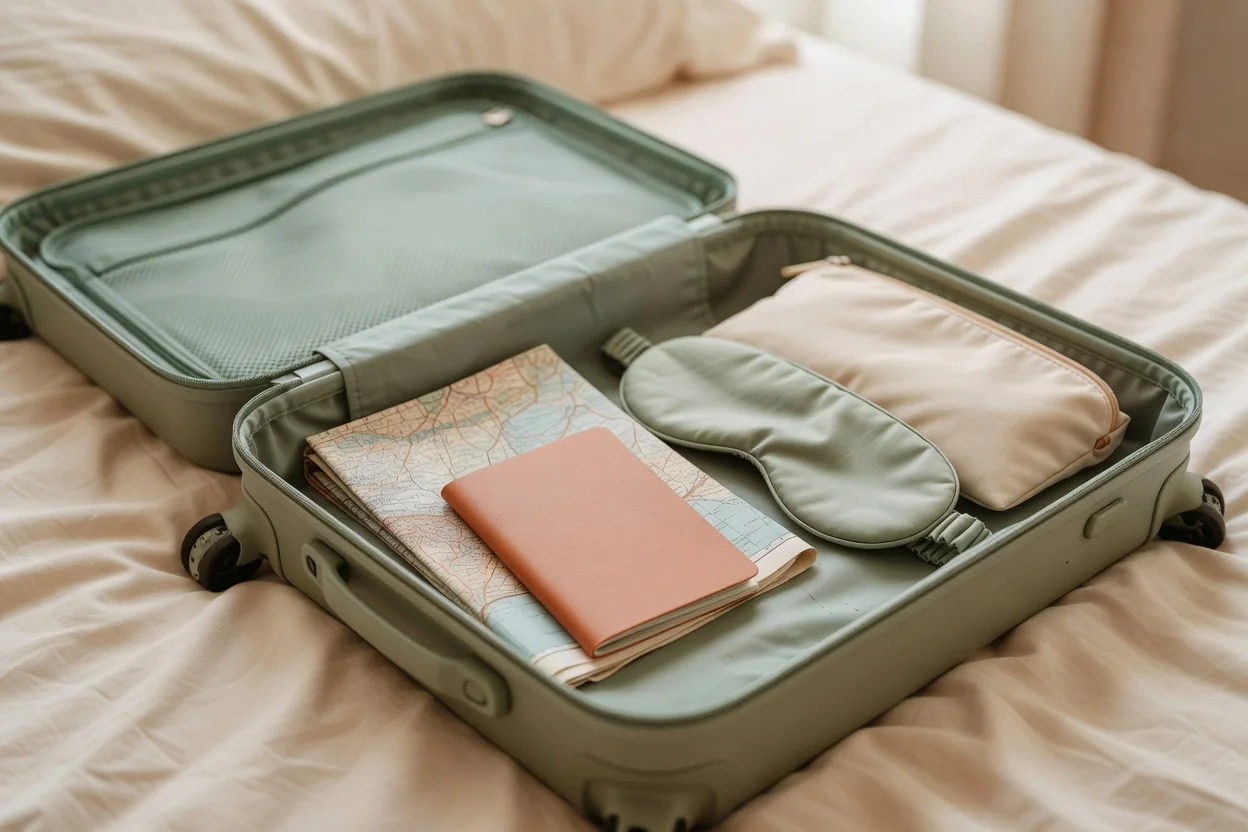
Airlines and hotels require the name on the ticket to match the name on government-issued photo identification. Booking travel with the exact name that appears on the current ID prevents check-in problems. Many travelers update legal documents when possible, yet others travel with IDs that reflect earlier names. In those cases, carrying a copy of a court-ordered name change or a physician’s letter can sometimes ease interactions. TSA accepts additional documentation but does not require it for domestic flights.
International travel demands extra attention to document consistency. Passports, visas, and boarding passes should align as closely as possible. The US State Department maintains current country information pages that outline entry requirements and local laws. These pages help travelers learn whether a destination criminalizes LGBTQ expression. Checking them before departure remains an essential planning step.
Airport Security and Body Scanners
TSA screening uses millimeter-wave scanners that compare body contours against a binary male or female standard chosen by the officer. An alarm may occur for many reasons unrelated to security threats. Travelers may calmly request a pat-down or private screening room with a witness present. TSA policy permits such requests at every airport. Knowing this option exists reduces anxiety when alarms sound.
Agents are trained to follow standardized procedures. Clear communication and polite requests usually resolve discrepancies quickly. Travelers who wear prosthetics, packers, or binders may choose to disclose only what feels safe. TSA does not require medical details. The focus stays on efficient, respectful screening that keeps everyone moving safely through the checkpoint.
Medications and Carry-on Luggage
Prescription medications travel best in their original pharmacy-labeled containers. A printed copy of the prescription placed in carry-on luggage offers backup if questions arise. TSA permits medically necessary liquids and gels to exceed the usual 3.4-ounce limit when declared at the checkpoint. Keeping hormone therapy, blockers, or other gender-affirming prescriptions in hand luggage protects against loss if checked bags are delayed.
- Place all medications in a clear, quart-size bag for easy inspection at security.
- Carry a copy of the prescription with the traveler’s current legal name.
- Pack enough medication for the entire trip plus several extra days.
- Keep a list of medication names and dosages in a separate notebook.
- Research destination rules about importing prescriptions before international travel.
- Store injectable supplies in their original packaging with the pharmacy label visible.
Hotel Check-in and Gendered Facilities
Hotel staff typically ask for identification at check-in. Presenting the ID that matches the reservation name helps avoid confusion. Many properties now offer gender-neutral restrooms or single-occupancy options. Asking the front desk about available facilities allows travelers to choose the safest and most comfortable arrangement. Quiet requests for room changes or floor adjustments are often accommodated when availability exists.
Reviewing hotel policies online before booking can reveal whether the property has experience supporting transgender and nonbinary guests. Chains affiliated with GLMA or those that advertise inclusive policies may provide more consistent experiences. Travelers who feel unsafe can contact the front desk or hotel security for assistance at any time. Most properties maintain protocols that prioritize guest safety and privacy.
Road Trips Through Unfamiliar Regions
Driving across state lines introduces variable laws and social climates. Mapping routes that avoid areas with recent hostile legislation helps maintain safety. Keeping a paper copy of the vehicle registration, insurance, and driver’s license protects against electronic failures. A short checklist before departure includes verifying medication refills, confirming hotel reservations under matching names, and saving the 988 Suicide and Crisis Lifeline number for emergencies. This guide offers general education only; personal medical or legal decisions should always be made together with the reader’s own care team or a licensed professional.
| Document | Carry-on | Checked | Notes |
|---|---|---|---|
| Passport | Yes | No | Matches ticket name |
| Prescription copy | Yes | No | Kept with medication |
| Insurance card | Yes | No | Digital backup advised |
| Physician letter | Yes | No | Optional for TSA |
| State ID | Yes | No | Matches booking name |
| Emergency contacts | Yes | No | Paper and phone copy |
Thoughtful preparation helps transgender and nonbinary travelers focus on the purpose of their journey instead of navigating unnecessary obstacles. Consistent documents, awareness of screening procedures, and knowledge of destination laws create a stronger foundation for safer travel experiences.